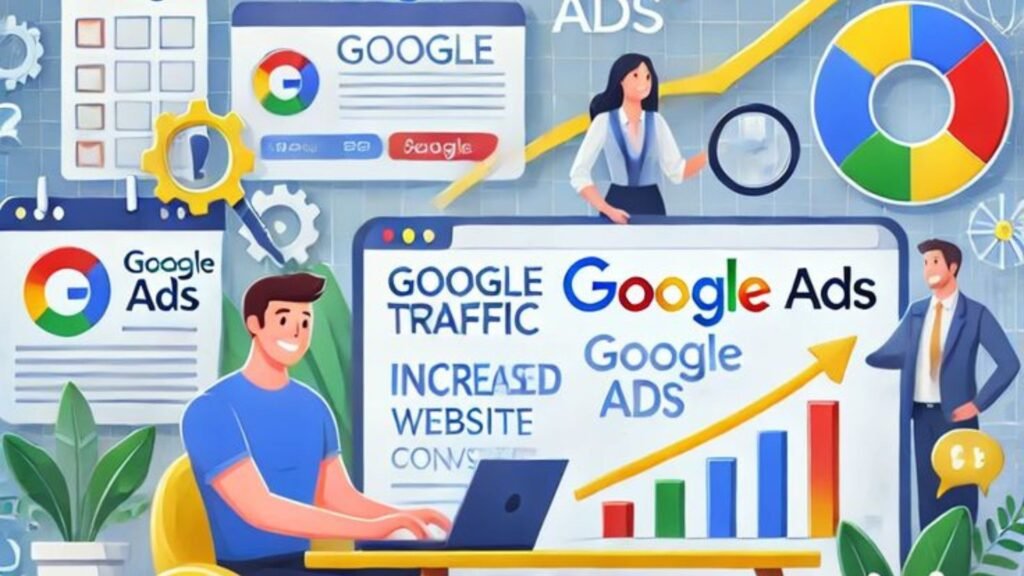
In the fast-paced world of digital marketing, understanding and implementing effective Google Ads Strategies is essential for any business looking to succeed online. These strategies provide a structured approach to creating, managing, and optimizing advertising campaigns that reach the right audience at the right time. With millions of businesses competing for attention on Google, using proven strategies ensures that your ads are not wasted, helps maximize return on investment, and allows you to stay ahead of competitors. From carefully selecting keywords to crafting compelling ad copy, each component of a well-planned Google Ads campaign plays a vital role in driving traffic, generating leads, and converting prospects into customers.
Effective Google Ads Strategies also involve ongoing monitoring and optimization. Simply launching a campaign is not enough; businesses must continuously analyze performance metrics, adjust bids, refine targeting, and test different ad formats. By implementing these strategies, businesses can significantly improve click-through rates, reduce wasted ad spend, and ensure that every campaign is contributing to overall growth. Furthermore, these strategies empower marketers to identify what resonates with their audience, enabling data-driven decisions that enhance the effectiveness of future campaigns.
Moreover, Google Ads Strategies are not limited to large enterprises. Small businesses and startups can greatly benefit from strategic campaign planning, even with limited budgets. Targeted advertising, keyword optimization, and smart bid management allow smaller players to compete in highly competitive markets. By leveraging these strategies, businesses can build brand awareness, attract quality traffic, and generate measurable results that support long-term growth. These services create opportunities for businesses of all sizes to establish a strong online presence without overspending on trial-and-error marketing methods.
Ultimately, mastering Google Ads Strategies provides businesses with a sustainable competitive advantage. By combining thorough research, precise targeting, and continuous optimization, brands can maximize conversions, avoid costly mistakes, and achieve higher ROI. These strategies also provide valuable insights into consumer behavior, helping businesses refine their marketing approach across multiple channels. For companies looking to thrive in the digital marketplace, understanding and applying the right Google Ads Strategies is not optional—it is a fundamental necessity for growth, visibility, and success in today’s online landscape.
In today’s digital world, every business wants more visibility, more leads, and more sales. One of the fastest and most effective ways to achieve this is through Google Ads—Google’s official advertising platform. Whether you are a small business owner, freelancer, or marketer, Google Ads gives you the power to reach the right audience at the right time.
This blog explains what Google Ads is, how it works, why it matters, and how you can use it to grow your business.
What Is Google Ads?
Google Ads is an online advertising platform developed by Google that allows businesses to promote their products and services across Google Search, YouTube, and partner websites. It works on a pay-per-click (PPC) model, meaning advertisers only pay when users click on their ads. By using Google Ads Strategies, businesses can target specific audiences, select the right keywords, and optimize ad placements to reach potential customers effectively and increase visibility.
Implementing effective Google Ads Strategies is essential for maximizing the platform’s potential. These strategies involve creating compelling ad copy, optimizing bids, targeting the right demographics, and continuously analyzing performance metrics. By applying these strategies, businesses can drive more traffic to their websites, generate leads, improve conversions, and achieve measurable results in their digital marketing campaigns.
Google Ads (previously known as Google AdWords) is an online advertising platform that allows businesses to display ads on:
- Google search results
- YouTube
- Gmail
- Partner websites and apps
When people search for something on Google, your ad can appear at the top of the results—helping you attract potential customers instantly.
In simple words:
Google Ads helps businesses promote their products or services to people who are actively searching for them.
Why Google Ads Is Important for Businesses
Google Ads is a vital tool for businesses because it allows them to reach their target audience precisely when users are searching for products or services. By implementing effective Google Ads Strategies, businesses can ensure their ads appear in front of the right people, increasing visibility, driving qualified traffic, and generating leads. These strategies help optimize budgets, improve ad performance, and ensure every advertising dollar is used efficiently.
Effective Google Ads Strategies also provide measurable results and insights, allowing businesses to refine campaigns for maximum ROI. From keyword selection to audience targeting and ad copy optimization, these strategies help businesses stay competitive in a crowded digital marketplace. By leveraging Google Ads, companies can boost brand awareness, attract potential customers, and achieve sustainable growth online.
Instant Visibility
- Unlike SEO, which takes time, Google Ads can place your business at the top of Google within hours.
Targets High-Intent Customers
- Your ads appear to people who are already looking for products or services like yours.
Full Control Over Budget
- You can start with any amount—₹100 per day or ₹10,000 per day.
- You only pay when someone clicks your ad.
Measurable Results
- Google Ads offers detailed analytics like clicks, conversions, impressions, and more.
Works for All Types of Businesses
- From local shops to online stores, every business can benefit from Google Ads.
How Google Ads Works
Implementing effective Google Ads Strategies is key to running successful campaigns on Google. Google Ads works by allowing businesses to create targeted advertisements that appear on Google Search, YouTube, and partner websites. Advertisers select relevant keywords and bid for ad placement, ensuring their content reaches the right audience at the right time. These strategies help increase visibility, attract potential customers, and drive high-quality traffic to websites.
Successful campaigns require more than just placing ads; they involve optimizing ad copy, targeting the right demographics, managing bids, and analyzing performance metrics. By using comprehensive Google Ads Strategies, businesses can improve click-through rates, reduce wasted ad spend, and achieve a higher return on investment. Properly executed strategies allow brands to stay competitive, increase conversions, and grow their online presence effectively.
- Google Ads uses a system called Pay-Per-Click (PPC).
- This means you only pay when someone clicks your ad.
Here’s how it works:
- Choose your target audience
– Location
– Age
– Interests
– Search keywords
- Write your ad
– Headline
– Description
– Call-to-action
- Set your daily budget
- Google shows your ad on search results or partner sites.
- You pay only when someone clicks.
- Google Ads uses an auction system where your ad competes with others based on:
- Bid amount
- Ad quality
- Relevance
- Higher quality → lower cost → better results.
Types of Google Ads
There are several types of Google Ads that businesses can use to reach their target audience effectively, and understanding these is essential for creating strong Google Ads Strategies. The main types include Search Ads, which appear on Google search results pages; Display Ads, which show on websites within Google’s Display Network; Video Ads, primarily on YouTube; Shopping Ads, for e-commerce products; and App Promotion Ads, designed to increase app downloads. Choosing the right type of ad based on your goals is a key part of any Google Ads Strategy, as it ensures better targeting, higher engagement, and improved ROI.
Google Ads provides a variety of ad formats to suit different marketing goals:
Search Ads
Search Ads are a fundamental component of effective Google Ads Strategies, allowing businesses to appear at the top of search engine results when users search for relevant keywords. By targeting specific search terms, companies can attract highly qualified traffic and drive conversions quickly. Optimizing ad copy, using the right keywords, and continuously monitoring performance are key aspects of Google Ads Strategies that make Search Ads effective. When implemented correctly, Search Ads help businesses increase visibility, reach the right audience, and maximize ROI.
- Text ads shown on Google search results.
Example: When someone searches “digital marketing services,” your ad appears at the top.
Display Ads
Display Ads are an important part of Google Ads Strategies, helping businesses reach potential customers across millions of websites, apps, and platforms within Google’s Display Network. These visually appealing ads can include images, banners, and interactive content to capture attention and build brand awareness. By using precise targeting options such as demographics, interests, and remarketing, businesses can ensure their Display Ads reach the most relevant audience. Incorporating Display Ads into Google Ads Strategies helps improve engagement, increase website traffic, and strengthen overall marketing results.
- Image banners shown across millions of websites.
Video Ads
Video Ads are a powerful component of Google Ads Strategies, allowing businesses to promote their brand, products, or services through engaging video content on YouTube and partner sites. These ads can appear before, during, or after videos, and come in formats like skippable, non-skippable, and bumper ads. By targeting specific demographics, interests, and viewing behaviors, Video Ads help businesses reach the right audience effectively. Integrating Video Ads into Google Ads Strategies boosts brand awareness, increases engagement, and drives higher conversions.
- Ads that appear on YouTube before or during videos.
Shopping Ads
Shopping Ads are a retail‑focused ad format that fits seamlessly into strong Google Ads Strategies. Instead of plain text, these ads show a product image, title, price, store name, and more—giving shoppers a clear view of what’s being sold before they click. That makes leads more qualified and often closer to purchasing. Google builds Shopping Ads from your Merchant Center product data, matching user searches to the most relevant products, and helps retailers promote inventory across Google channels.
- Used for e-commerce stores to display product images with price and rating.
App Promotion Ads
App Promotion Ads are a specialized component of Google Ads Strategies designed to drive app downloads and engagement. These ads appear across Google Search, YouTube, Google Play, and other partner sites, encouraging users to install or interact with an app directly. By targeting specific audiences based on demographics, interests, and device types, App Promotion Ads help businesses reach the most relevant users efficiently. Integrating these ads into Google Ads Strategies boosts app visibility, increases downloads, and maximizes user engagement.
- Helps promote mobile apps across Google Play, YouTube, and search.
Key Features of Google Ads
Google Ads offers a wide range of features that make it a powerful tool for businesses, and leveraging these features is essential for effective Google Ads Strategies. Some of the key features include keyword targeting, which ensures your ads appear for relevant searches; audience targeting, allowing you to reach specific demographics or interests; ad extensions, which add extra information like phone numbers or site links; conversion tracking, to measure the effectiveness of campaigns; and real-time analytics, which provide insights for optimization. Utilizing these features in your Google Ads Strategies helps businesses maximize ROI, improve engagement, and run highly targeted and efficient advertising campaigns.
Keyword Targeting
Keyword targeting is a critical element of effective Google Ads Strategies, enabling businesses to show their ads to users actively searching for relevant products or services. By selecting the right keywords—ranging from broad to exact match types—companies can reach highly qualified audiences and increase the likelihood of conversions. Continuous keyword research, analysis, and optimization are essential parts of Google Ads Strategies, helping businesses maximize ROI, improve ad relevance, and drive more targeted traffic to their website.
- You can choose specific keywords related to your business so your ads appear to the right people.
Location Targeting
Location targeting is an essential part of Google Ads Strategies, allowing businesses to show their ads to users in specific geographic areas. By targeting cities, regions, or even a radius around a particular location, companies can reach the most relevant audience for their products or services. Implementing precise location targeting within Google Ads Strategies ensures ads are seen by potential customers nearby, improving engagement, driving local traffic, and increasing the chances of conversions.
- Show ads in selected cities, states, or even within a small radius.
Ad Scheduling
Ad scheduling is a key component of effective Google Ads Strategies, allowing businesses to display their ads at specific days and times when their target audience is most active. By analyzing peak engagement hours and customer behavior, companies can optimize ad delivery to maximize visibility and conversions. Implementing ad scheduling within Google Ads Strategies helps reduce wasted ad spend, ensures higher relevance, and improves the overall performance and ROI of campaigns.
- Choose the exact time and days your ads should run.
Conversion Tracking
Conversion tracking is a vital part of Google Ads Strategies, allowing businesses to measure the effectiveness of their campaigns by tracking specific actions such as purchases, sign-ups, or downloads. By understanding which ads, keywords, or targeting methods drive the most conversions, companies can optimize their campaigns for better performance and ROI. Implementing conversion tracking within Google Ads Strategies ensures data-driven decisions, helps improve ad relevance, and maximizes the impact of every advertising dollar spent.
- See how many leads, calls, or sales your ads generated.
Remarketing
Remarketing is a powerful component of Google Ads Strategies, allowing businesses to reconnect with users who have previously visited their website or engaged with their content. By showing targeted ads to these past visitors, companies can encourage them to return, complete a purchase, or take another desired action. Integrating remarketing into Google Ads Strategies helps increase conversion rates, improve ROI, and maintain brand visibility among audiences already familiar with your business.
- Show ads to people who already visited your website—great for conversions.
Benefits of Using Google Ads
Using Google Ads provides numerous advantages for businesses, and integrating effective Google Ads Strategies can maximize these benefits. First, Google Ads allows precise audience targeting, ensuring your ads reach the right people at the right time. Second, it provides measurable results, enabling businesses to track clicks, conversions, and ROI. Third, Google Ads offers flexible budgeting, so companies of all sizes can advertise within their means. Additionally, using optimized strategies helps improve brand visibility, drive quality traffic, increase sales, and stay competitive in the digital marketplace. By leveraging Google Ads with the right strategies, businesses can achieve better performance and sustained growth online.
Fast Results
- Google Ads can bring leads on the same day you launch your campaign.
High ROI
- Because you only pay for clicks, your budget is used efficiently.
Better Brand Awareness
- Your brand appears on top of Google search—building trust.
Full Analytics
- You can track every click, call, form submission, or sale.
Suitable for Any Business
Google Ads works for:
- Freelancers
- Small businesses
- Local shops
- E-commerce stores
- Service providers
- Large brands
Google Ads Strategies for Best Results
To achieve the best results from Google Ads, businesses must implement effective Google Ads Strategies that focus on targeting the right audience, selecting high-performing keywords, and creating compelling ad copy. Well-planned strategies also include optimizing bids, using ad extensions, and choosing the appropriate campaign type—whether Search, Display, Video, or Shopping ads. By applying these strategies, businesses can ensure their ads reach potential customers at the right time, driving traffic and increasing conversions efficiently.
Continuous monitoring and optimization are key components of successful Google Ads Strategies. Analyzing performance metrics such as click-through rates, cost per conversion, and return on ad spend helps refine campaigns over time. Testing different ad variations, adjusting bids, and targeting the most responsive demographics can maximize ROI. By following proven Google Ads Strategies, businesses can not only improve visibility and engagement but also achieve long-term growth and measurable results in their digital marketing efforts.
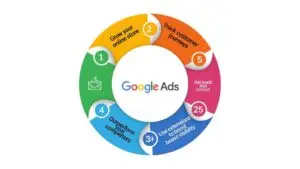
Choose the Right Keywords
- Target high-intent keywords like:
“buy”, “service near me”, “best”, “affordable”.
Write Strong Ad Copy
- Use short, clear, benefit-driven messages.
Use Extensions
- Add more information such as:
- Call button
- Extra links
- Prices
- Locations
Create a High-Converting Landing Page
Your website page should be:
- Fast
- Clear
- Easy to navigate
- Relevant to the ad
Monitor & Optimize
Check your campaigns regularly and optimize:
- Bids
- Keywords
- Audience
- Ad copy
Common Mistakes to Avoid
- Targeting too many broad keywords
- Not setting a proper budget
- Ignoring negative keywords
- Skipping landing page optimization
- Not tracking conversions
- Avoiding these mistakes improves your results and reduces wasted money.
Google Ads vs SEO
Google Ads is a paid advertising platform that allows businesses to reach their target audience instantly by displaying ads on Google Search, YouTube, and partner websites. By using effective Google Ads Strategies, businesses can target specific keywords, demographics, and locations to drive immediate traffic, leads, and conversions. Ads appear at the top of search results, providing fast visibility compared to organic methods.
In contrast, SEO (Search Engine Optimization) focuses on optimizing your website and content to rank organically in search results. While SEO takes longer to show results, it builds long-term credibility and attracts consistent, free traffic. Combining Google Ads Strategies with SEO can provide both instant visibility and sustainable growth, helping businesses reach more customers and maximize their online presence.
| FEATURE | GOOGLE ADS | SEO |
| Speed | Instant | Slow |
| Cost | Paid | Free (organic) |
| Duration | Stops when budget ends | Long term |
| Ideal for | Quick results | Sustainable Traffic |
Best approach: Use both Google Ads + SEO for maximum reach.
Conclusion
Google Ads Strategies are essential for businesses of all sizes that want to maximize their online presence and reach the right audience effectively. By implementing well-planned strategies, companies can ensure that their ads are visible to users actively searching for relevant products or services. This targeted approach increases the chances of attracting high-quality traffic, generating leads, and improving overall conversion rates, making every advertising dollar count.
Moreover, effective Google Ads Strategies provide measurable insights that allow businesses to refine their campaigns continually. From analyzing click-through rates and conversions to adjusting bids and ad placements, these strategies ensure that campaigns remain optimized for maximum performance. By leveraging data-driven approaches, businesses can make informed decisions, reduce wasted ad spend, and increase return on investment.
Another key advantage of Google Ads Strategies is their versatility. Whether a business wants to run Search Ads, Display Ads, Video Ads, or Shopping Ads, the right strategies can be tailored to meet specific goals. This flexibility allows businesses to reach diverse audiences across multiple platforms while maintaining consistency in messaging and branding. Strategic planning ensures that campaigns align with marketing objectives, delivering impactful results.
Ultimately, mastering Google Ads Strategies is not just about running ads—it’s about creating a structured, sustainable, and results-driven approach to digital marketing. By focusing on optimization, targeting, and continuous improvement, businesses can enhance brand visibility, engage the right audience, and achieve long-term growth. Investing time and resources into effective Google Ads Strategies ensures that companies stay competitive in the ever-evolving online marketplace.
Google Ads is one of the most powerful digital marketing tools for businesses today. It provides instant visibility, drives quality traffic, and delivers measurable results. Whether you’re aiming for leads, sales, or brand awareness, Google Ads can help you reach the right customers at the right time.
With a well-designed strategy and proper optimization, Google Ads can transform your online presence and significantly grow your business.
AUTHOR : ASHTAMI M S